How Enclosed Transport Shields Vehicles from the Elements
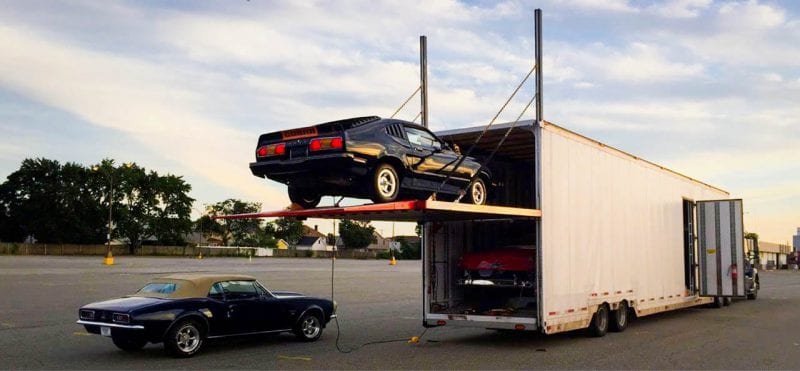
When dealing with the intercontinental transport of vehicles, there is the expectation that they will arrive in the same condition they were originally loaded in. High-value vehicles, like luxury cars, need to be treated with even more caution to eliminate the chance of sustained damage. Transporting personal vehicles in trailers specifically designed to offer road-transportable storage units is the best, most risk-free option available in the industry. This post will explain how and why all major benefits that enclosed transport offers center on the need to help high-end vehicle transport.
What is Enclosed Car Transport?
Enclosed Transport means that the vehicles used in the transport service, as well as the trailers that they are assembled to for road travel, are all manufactured to fully enclose and protect the vehicle loaded in the transport from all external damage. Ranging from natural weathering and rock strikes to modern theft. Enclosed is just as the name means, all of the vehicles used are made to secure the steel box that all transport vehicles are outfitted with.
Anyone who needs to send vehicles to another state for transport will be best served in the industry by paying for the service that provides closed transport. For high-value vehicles that are rare or high-end performers, this is even more true. Enclosed transport is the only option that protects a vehicle from the elements. For rusty old cars, this will be more damaging to the vehicle’s exterior, and for modern high-end vehicles, with all of the built-in equipment, one shot to the alloy will completely ruin the value. In addition, the road to the destination will contain the same elements.
The Way Enclosed Transport Safeguards Vehicles on Long-Haul Routes
When transporting vehicles over long distances that can include hundreds and even thousands of miles, there are specific issues that arise that can incite damages and/or other issues. Some dangers are Ash, varying weather conditions, road debris, road dangers, and other issues. Enclosed transport provides the highest levels of protection with the most protective features.
Protection from Weather Conditions
Enclosed transport provide long distance protection from the unpredictable weather that can be encountered during the route. Conditions such as rain, hail, and extreme heat.
For example, snow and rain can be the cause of interior damage, such as frost, and even cause rust and corrosion that would be expensive to repair over time. UV rays from the sun can cause major damage to vehicles by deteriorating the paint, especially on long trips and in hot climates.
Enclosed trailers keep cars completely protected from the elements, including the outdoors getting wet and sun damage, plus no outside objects can get in and do damage. This is especially importantfor removable damage to the exterior, including scratches, which can greatly decrease the value of a luxury vehicle.
Shielding from Road Debris and Physical Damage
Flying road debris is a risk to all vehicles during long-haul transport, but especially expensive and vintage classics. Other vehicles can kick up dirt and rocks, which can cause scratches and dented paint on exposed cars during transport.
With enclosed car shipping, these vehicles are protected in completely closed trailers, which protect against damage from road debris and shield the car from bad road conditions. This is of utmost importance to protect against the exterior from damage and costly repairs.
Also, there is no risk of damage from other vehicles, and the car won’t experience any bumps during transport as it is completely secure in a closed trailer.
Protection Against Theft and Security Risks
High-value cars and luxury vehicles are targets for theft, particularly when being transported for longer distances. During open transport, the car is in full view of the public, making it easy for thieves to see and steal the car. Even with safety precautions, an open vehicle exposes it to a greater risk of theft.
Enclosed transport, on the other hand, offers a greater level of theft and damage security. The vehicle is placed and locked in a trailer, making it a lot harder for anyone to gain unauthorized access to the vehicle. This is particularly vital for rare, one-of-a-kind, limited editions, or exotic cars, as they are often prime targets for thieves.
All car owners who are shipping their vehicles can enjoy peace of mind, knowing and trusting that during the shipping process, their vehicle will be in an environment that is as safe and secure as can be, minimizing the risk of theft and vandalism to the vehicle during shipping.
Climate and Temperature Control
When transporting vehicles that are luxury or high-end, it is also important to manage temperature extremes and shield the vehicles from potential damage on the road. Vehicles, classic cars, and luxury vehicles tend to come with various detailed components that are sensitive to temperature. Examples of sensitive components include performance tires, intricate electronics, and leather upholstery.
Tires can deteriorate in extreme heat, while high humidity can impact the vehicle’s interior, electronics, and systems. Climate-controlled trailers, which keep the auto at a reasonable temperature for the duration of the trip is a feature of enclosed transport.
If you want to know the best way to ship a car to another state, especially to one that has varied climates, you need to consider vehicle temperature maintained by a climate-controlled enclosed transport.
Avoiding the General Wear and Tear
Almost inevitably, on a long haul, a vehicle will suffer from wear and tear in the form of a dust coating on the car, and a build-up of grime on its exterior. For a luxury vehicle, a coating of dust can lead to damaged paint and embed dirt into the car’s finish, so this is a minor issue, but one that has to be considered.
Enclosed car shipping removes these risks. The vehicle is in a sealed space where dirt and contaminants cannot pass, and less exterior dust is combined with other damaging elements that can degrade the vehicle’s finish.
Moreover, enclosed transport options provide automobile operators with a professional handling and loading service, which streamlines the transport process and helps mitigate any potential excess wear and tear that may occur due to the handling of the automobile at pickup and drop-off locations.
Protection from Improper Handling and Bumps
Every attempt is made to ensure that there are no rough bumps; however, vehicles that are transported on open trailers are almost always subject to the risk of improper bumps and jostling that may occur throughout the course of transport. Open trailers provide limited space, and automobiles are subject to jostling throughout the course of transport, especially when the vehicle is driven over rough terrain.
In contrast, enclosed transport will always provide a safe and well-contained transport environment from which the automobile may not be removed. The vehicle is placed on a secure platform, which is designed to minimize any potential transport jostling. Furthermore, with enclosed trailers, there is a lower risk of the transport vehicle coming into contact with any foreign object, which directly decreases the potential of physical damage.
Professional Handling and Care
Perhaps the biggest plus for remote long-hauls with enclosed car shipping is the professional expertise involved in vehicle handling. Enclosed car transport companies often focus on the shipping of high-value vehicles, thereby ensuring that such vehicles will be handled with proper care and expertise.
A trusted car shipper is equipped with the tools necessary to ensure a car is secured, watched over, and delivered with the utmost care. This kind of service is important for over-the-road shipments that may take days or weeks at a time.
When is enclosed car shipping the right option?
While some shipments may not need to use enclosed car shipping, there is a significant difference in how a high-value vehicle, rare, exotic, or luxurious, is treated. If you are performing a long-distance or cross-country shipping of a high-value vehicle, the answer is certainly yes.
Some of the occasions when enclosed transport is the right option include the following:
- Luxury, Classic, or Exotic Cars: The use of open transport is not an option for high-end vehicles due to the extreme risk of damage that can occur during transport.
- Long Distance Transport: The added peace of mind with enclosed transport is a better option for cross-country or even international transport.
- Events and Auctions: The use of enclosed transport is better when the vehicle is needed for an event or is being taken to an auction.
- Extreme Weather: If the transport route is forecasted to include extreme weather such as high wind or rain, the vehicle may be better served with enclosed transport.
Final thoughts
If the route is long and you are including luxury car transport, then the additional protection provided by enclosed car shipping becomes most valuable. Enclosed transport eliminates the possibilities of the car getting damaged by inclement weather, road debris, theft, or poor transport, and guarantees the car arrives in the same condition it was picked up.
If you are trying to figure out the best option to ship a car to a different state, especially if it is a valuable vehicle, the best choice is to find a car shipper you can trust who also provides enclosed transport. For climate control, theft protection, and professional transport, enclosed car transport is the best choice. This is especially true if the owner of the vehicle wants to ensure the car is transported in the same condition it was picked up, regardless of how far it has to go.