A More Mindful Approach to Professional Beauty Technology: Choosing Equipment for Long-Term Value
Sustainability and mindful consumption are increasingly influencing the way people think about the products they purchase. While much of the conversation focuses on fashion, food, and household goods, the same principles can also be applied to professional businesses.
The beauty industry is a good example.
Salons, clinics, and independent practitioners now have access to an enormous range of professional technology. New machines appear regularly, promising additional functions, updated designs, and new ways to expand treatment menus.
For a professional beauty business, however, constantly purchasing new equipment is neither financially efficient nor necessarily the most responsible approach.
A more considered strategy is to invest in equipment that genuinely fits the business, provides useful functionality, and can continue contributing to the treatment menu over the longer term.
Mindful Consumption Applies to Businesses Too
Responsible purchasing does not have to mean avoiding technology.
It means thinking carefully about what is purchased, why it is needed, and how much use it is realistically likely to receive.
For a beauty business, professional equipment represents both a financial investment and a physical product containing electronics, materials, packaging, and components.
Buying equipment that remains useful for longer can therefore make sense from both a commercial and resource-conscious perspective.
See also: The Sustainability of Home Maintenance: Investing in Durable Seals
Buy for Genuine Need Rather Than Novelty
The professional beauty industry changes quickly.
Practitioners regularly encounter new treatment technologies and machines through exhibitions, social media, and supplier advertising.
It can be tempting to believe that a successful business needs every new technology.
In reality, equipment should solve a genuine business requirement.
Before purchasing, a salon can ask whether existing clients are requesting the treatment, whether the technology complements current services, and whether the equipment is likely to be used regularly.
Why Multi-Function Equipment Can Reduce Unnecessary Purchases
One development within professional beauty technology has been the rise of multi-function machines.
Instead of requiring a separate device for every individual service, these systems combine several complementary technologies within one professional platform.
For smaller beauty businesses in particular, this can have practical advantages.
Several Technologies Through One Machine
A practitioner interested in professional body treatments might otherwise need individual machines for ultrasonic cavitation, radio frequency, vacuum functions, and other technologies.
Multi-function equipment can bring several of these together.
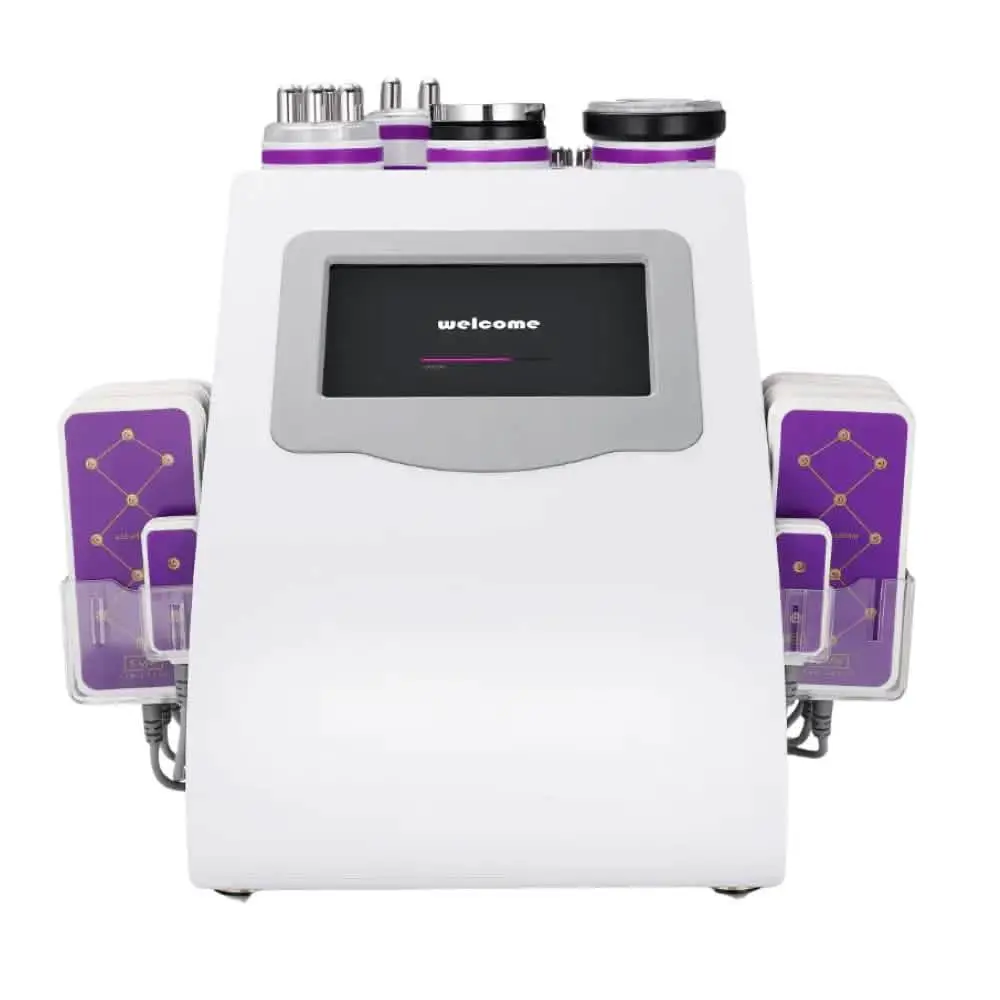
For businesses researching a professional body sculpting machine, the Glow Beauty Case 6-in-1 40K system combines ultrasonic cavitation with complementary professional technologies within one platform.
For an appropriately trained practitioner who genuinely intends to use those functions, this type of equipment can reduce the need to purchase multiple standalone machines.
Understanding Professional 40K Cavitation Technology
40K ultrasonic cavitation is widely found within professional body-treatment equipment.
The term 40K refers to the frequency of the ultrasonic cavitation handpiece.
It can be provided through dedicated cavitation equipment or incorporated into larger multi-function systems.
Why Professional Buyers Should Look Beyond Frequency
Frequency is only one specification.
Professional buyers should consider the complete machine.
This includes the additional technologies provided, available handpieces, equipment controls, physical size, intended professional use, documentation, warranty, and supplier support.
A machine should ultimately be selected because the overall system meets the needs of the business.
Making Better Use of Treatment-Room Space
Physical space is another resource businesses need to use efficiently.
This is particularly relevant to smaller salons, home-based practitioners, and independent beauty professionals.
Several large standalone machines can quickly dominate a treatment room.
Multi-Function Equipment Can Improve Space Efficiency
Combining several technologies within one system can reduce the number of individual machines required.
This can help create a cleaner and more organized professional environment.
It can also make advanced technology more practical for businesses operating from limited premises.
Choosing one versatile machine rather than several rarely used devices can therefore make practical as well as financial sense.
More Functions Are Not Always More Sustainable
There is another side to the multi-function argument.
Buying the machine with the largest possible number of functions is not automatically a responsible purchasing decision.
If most of those technologies are never used, the additional functionality provides little value.
Useful Versatility Matters More Than Numbers
A salon should identify the functions it genuinely expects to use.
A well-selected 6-in-1 system may provide better long-term value than a much larger machine containing technologies that do not fit the treatment menu.
Likewise, a smaller system may be more appropriate for a practitioner specializing in only one or two services.
Mindful purchasing is about suitability rather than maximum specification.
Equipment Longevity Should Matter
Professional beauty equipment is intended to become part of a working business.
The longer useful equipment can remain in service, the less frequently a business needs to replace it.
This makes longevity an important consideration.
Look After Professional Equipment
Correct operation, cleaning, and appropriate maintenance can help businesses protect their equipment investment.
Practitioners should follow the instructions supplied with the machine and ensure that staff understand how equipment should be handled.
Professional equipment should not be treated as disposable simply because newer models become available.
If an existing machine continues to meet the needs of the business, replacement may not be necessary.
Repair and Support Can Reduce Unnecessary Replacement
Supplier support can also influence how long equipment remains useful.
If a business has nobody to contact when a question or technical issue arises, replacing the machine may appear to be the easiest option.
Access to support can provide an alternative.
Supplier Choice Matters
Professional buyers should consider what happens after equipment has been delivered.
Questions worth asking include:
- Is warranty support available?
- Is there an identifiable supplier?
- Can technical questions be raised?
- What documentation is supplied?
- Are replacement accessories available where applicable?
- What support exists if something goes wrong?
These considerations can influence the overall working life and value of professional equipment.
Why UK-Based Support Can Be Useful
For UK beauty businesses, dealing with a UK-based supplier can provide a clear point of contact for support.
Glow Beauty Case is a UK limited company supplying professional beauty equipment to salons, clinics, and trained practitioners.
Its equipment range includes ultrasonic cavitation systems alongside hydradermabrasion, microdermabrasion, radio-frequency, and other professional beauty technologies.
For businesses investing in professional equipment, having an identifiable supplier can be an important part of responsible purchasing.
Warranty Is Part of Long-Term Value
Warranty should not be viewed purely as something to consider if equipment fails.
It forms part of the wider value of a professional purchase.
A machine used commercially may become important to the operation of the business.
If appointments depend on that equipment, unnecessary replacement can be both expensive and wasteful.
Think About Ownership, Not Just Purchase
The initial price of a machine is only one part of its cost.
Businesses should also think about the period during which they expect to use it.
A slightly larger initial investment may potentially provide better value when equipment is versatile, appropriately supported, and used regularly over a longer period.
Responsible Businesses Should Understand Their Equipment
Professional equipment also needs to be used correctly.
Training is therefore part of responsible ownership.
A practitioner should understand the technologies they intend to provide rather than simply purchasing equipment and experimenting with different functions.
Training Helps Equipment Be Used Appropriately
Professional knowledge should include areas such as consultation, contraindications, equipment operation, hygiene, treatment protocols, and aftercare.
Practitioners should also confirm their professional insurance requirements before introducing a new service.
Appropriate knowledge helps ensure the equipment is being used for its intended professional purpose.
Avoid Buying Equipment for Treatments You Cannot Provide
One of the simplest ways businesses can avoid unnecessary purchasing is to investigate training and insurance before placing an order.
A machine may contain numerous technologies, but that does not automatically mean the practitioner is trained or insured to provide every possible treatment.
Check First, Buy Second
Before investing, practitioners can establish:
- What training is required;
- What their insurer requires;
- Which treatments they intend to provide;
- Whether existing clients want those treatments; and
- Which equipment functions are actually necessary.
This can prevent expensive mistakes.
Existing Clients Can Guide More Responsible Investment
Businesses do not always need complex market research to determine what clients want.
Existing customers can provide useful information.
Practitioners can pay attention to treatments clients regularly ask about and services they would like the salon to introduce.
Demand Before Equipment
Where possible, businesses can establish likely demand before purchasing.
This can reduce the risk of equipment remaining unused.
A machine that sits in storage provides poor financial value and represents resources that could have been directed elsewhere.
Purchasing according to demonstrated demand is therefore both commercially sensible and more mindful.
Avoiding the Cycle of Beauty Trends
The beauty industry is heavily influenced by trends.
A particular treatment can suddenly become extremely visible online before interest moves to something else.
Businesses should be cautious about allowing short-term trends to determine long-term equipment purchases.
Ask Whether the Technology Has a Place in the Business
Before investing, consider whether the treatment complements existing services.
Will current clients realistically book it?
Does it fit the identity of the salon?
Can the practitioner provide it professionally?
Will the machine still have useful functions if demand changes?
Multi-function equipment can provide some flexibility here because several technologies may remain useful even when demand for one service fluctuates.
Consider Energy and Operating Efficiency
Professional electrical equipment also consumes energy.
While individual usage will vary according to the machine and treatment, businesses can still develop sensible operating habits.
Equipment should not be left running unnecessarily, and practitioners should follow appropriate operating instructions.
Small Operational Choices Add Up
A salon may operate numerous electrical devices throughout the working day.
Lighting, heating, sterilization equipment, beauty machines, and office technology all contribute to energy consumption.
Responsible operation across the business can therefore support broader sustainability goals.
No single change transforms a business, but consistent small decisions can have a cumulative effect.
Packaging and Consumables Also Matter
The environmental footprint of professional treatments does not stop with the machine.
Businesses can also consider the consumables and packaging associated with their services.
Where hygiene and safety requirements allow, salons can look for opportunities to reduce unnecessary waste.
Balance Sustainability With Professional Hygiene
Beauty businesses should never compromise hygiene simply to reduce disposable materials.
Some single-use items exist for important professional reasons.
The goal should instead be to identify waste that is genuinely unnecessary while maintaining appropriate professional standards.
Responsible purchasing requires balance.
Building a Treatment Menu With Purpose
A salon does not need dozens of services to provide clients with choice.
A carefully designed menu can be more effective than continuously introducing treatments.
Technology should therefore be selected to support a coherent professional offering.
Complementary Treatments Can Make Better Use of Equipment
Multi-function equipment can be particularly useful when its technologies complement one another.
A practitioner can develop a treatment menu around functions that make sense for the existing business rather than purchasing unrelated machines.
This can improve equipment utilization and potentially reduce unnecessary capital expenditure.
The Financial Benefits of Mindful Equipment Purchasing
Sustainability and commercial efficiency often overlap.
Buying fewer machines that are regularly used can reduce unnecessary expenditure.
Businesses can direct the money saved towards training, marketing, premises, staff, or other areas that support growth.
Calculate Return on Investment
Before purchasing professional equipment, businesses can consider:
- Equipment price;
- Training costs;
- Professional insurance;
- Treatment consumables;
- Expected appointment price;
- Realistic booking numbers;
- Equipment lifespan; and
- Likely frequency of use.
This creates a clearer picture of whether the investment makes sense.
A machine should ideally contribute value throughout its useful working life rather than simply generating excitement when it first arrives.
Responsible Marketing Matters Too
Mindful business practice also applies to how professional treatments are marketed.
Beauty businesses should avoid exaggerated claims, particularly around body-contouring technology.
Professional equipment should be described according to its intended aesthetic use.
Avoid Promising Unrealistic Outcomes
Clients should receive accurate information about treatments.
Professional businesses should avoid guaranteed results or presenting aesthetic equipment as a substitute for healthy lifestyle choices or medical care.
Clear communication supports informed client decisions and strengthens professional trust.
The Connection Between Ethical Consumption and Professional Beauty
Ethical consumption is often discussed entirely from the consumer’s perspective.
Businesses also make purchasing decisions every day.
Professional equipment, furniture, technology, consumables, and supplies all represent choices about where resources are directed.
Businesses Can Buy More Intentionally
Responsible purchasing does not require perfection.
It involves asking better questions.
- Does the business genuinely need this equipment?
- Will it be used regularly?
- Can one versatile machine fulfill several requirements?
- Is support available?
- Can the equipment remain useful over the longer term?
These questions encourage businesses to think beyond immediate trends.
Frequently Asked Questions About Sustainable Professional Beauty Equipment
Can professional beauty businesses reduce unnecessary equipment purchases?
Yes. Businesses can begin by identifying the treatments they genuinely intend to provide and choosing equipment containing functions that support those services.
Multi-function equipment can sometimes reduce the need for several standalone machines.
Are multi-function beauty machines more sustainable?
Not automatically.
They can potentially reduce the number of separate machines a business needs, but this only provides meaningful value when the included functions are actually used.
What is a professional body sculpting machine?
The term is commonly used for professional beauty equipment incorporating technologies associated with non-invasive body-contouring treatments, such as ultrasonic cavitation, RF, and other complementary functions.
The exact technologies depend on the individual machine.
What does 40K mean on a cavitation machine?
40K refers to the 40kHz frequency of the ultrasonic cavitation handpiece found on many professional cavitation systems.
Is a 6-in-1 machine better than a 4-in-1?
Not necessarily.
The most appropriate machine is the one containing functions the practitioner is trained, insured, and realistically likely to use.
A smaller machine can provide better value when its technologies closely match the business’s treatment menu.
Why does supplier support matter?
Professional equipment may remain in commercial use for an extended period.
Access to warranty and supplier support can help businesses deal with questions or equipment issues rather than treating replacement as the only option.
Should beauty professionals check insurance before buying equipment?
Yes. Practitioners should confirm their training and treatment requirements with their professional insurer before investing in equipment for a new service.
How can salons make professional equipment last longer?
Correct operation, appropriate cleaning and maintenance, staff training, and following the manufacturer’s or supplier’s instructions can all contribute to responsible equipment ownership.
Can professional beauty equipment be part of a more mindful business strategy?
Yes. Choosing equipment according to genuine demand, useful functionality, and long-term business requirements can help reduce unnecessary purchasing while improving equipment utilization.
Final Thoughts
Sustainability within professional beauty is not simply about replacing every product with something labeled environmentally friendly.
It can also mean making more thoughtful business decisions.
Professional equipment represents a significant investment of money, materials, and resources. Choosing machines that genuinely fit the treatment menu, using them appropriately, and keeping useful equipment in service can all contribute to a more considered approach.
Multi-function technology can support this strategy when it reduces the need for several standalone machines and provides functions that practitioners genuinely use.
However, responsible purchasing still requires careful consideration of training, insurance, client demand, warranty, documentation, supplier support, and long-term commercial value.
For beauty businesses, the most sustainable machine may ultimately be the one that is chosen carefully, used regularly, properly maintained, and kept productively in service rather than being replaced simply because the next industry trend has arrived.